
Cagrilintide
Focused on your body's fullness signal.
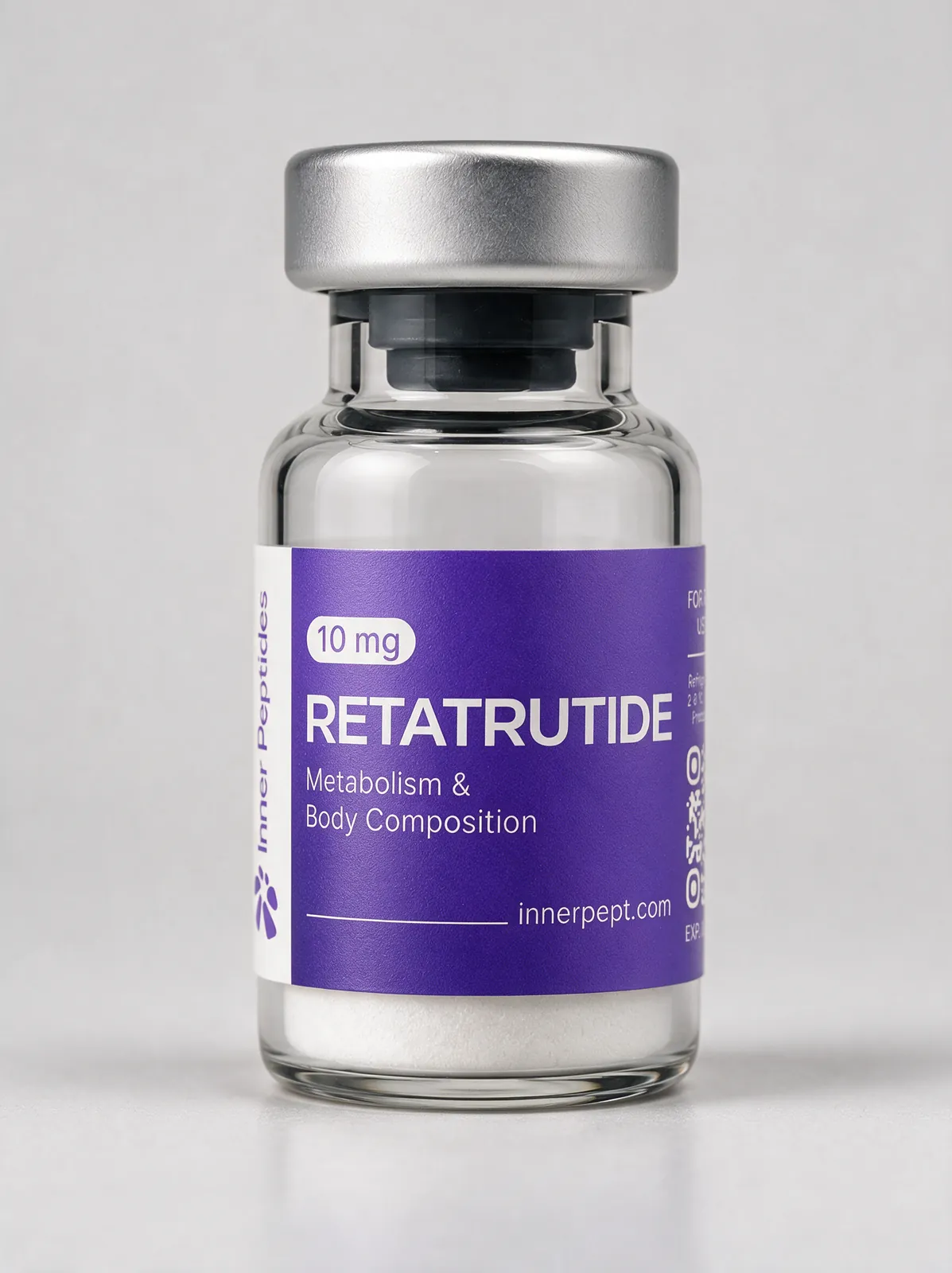
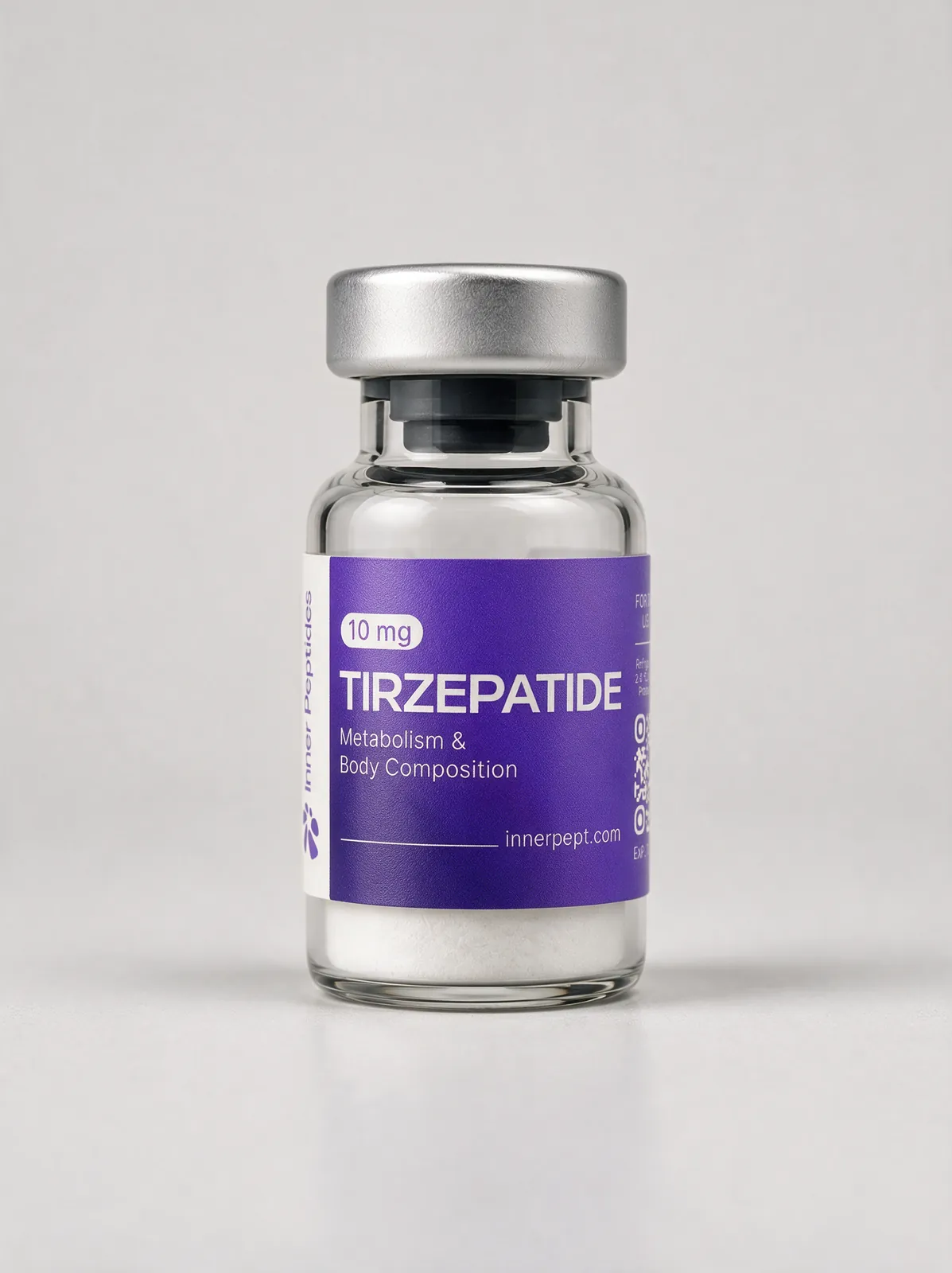
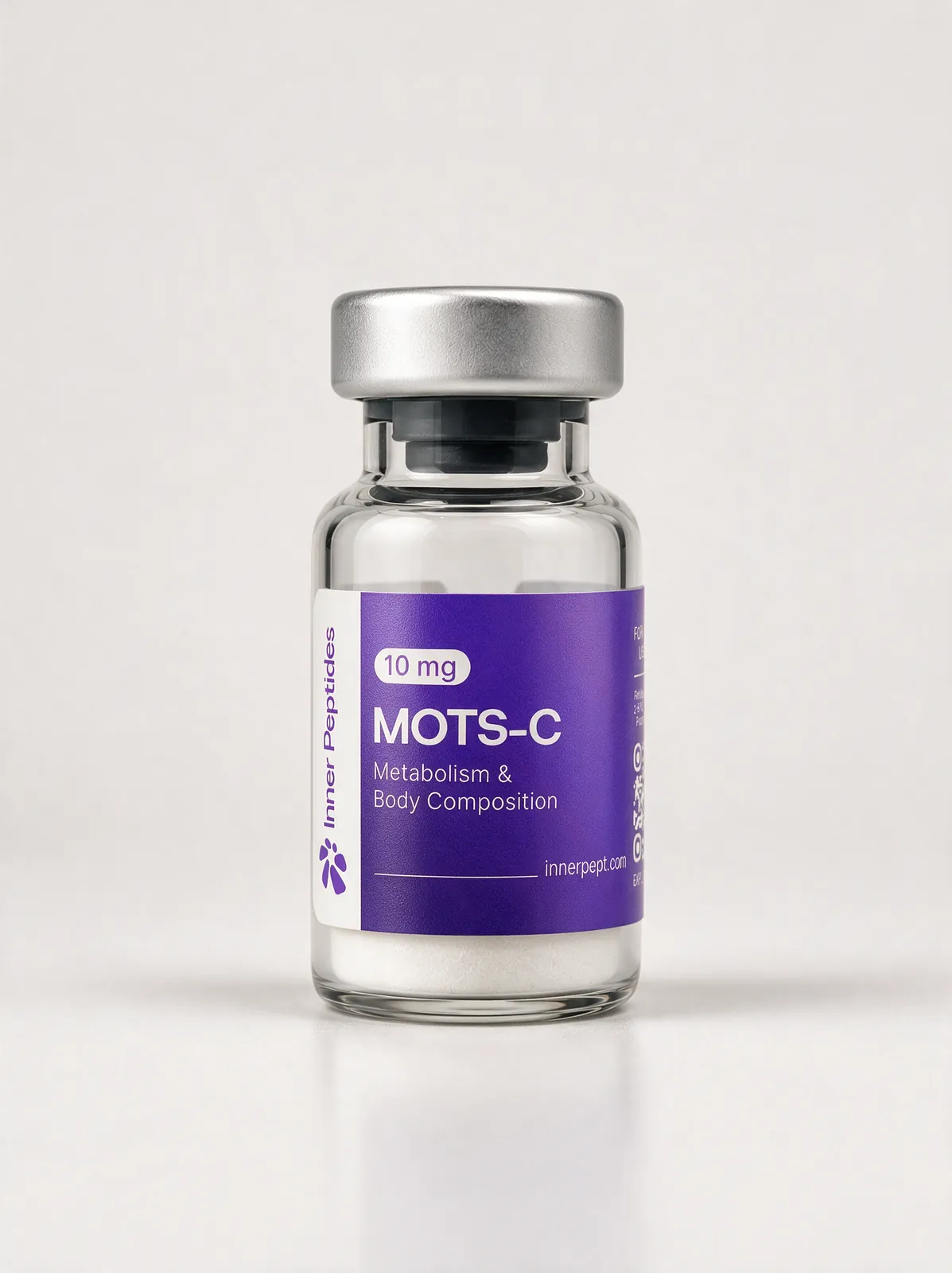
Vial content — available presentations, not a dose.
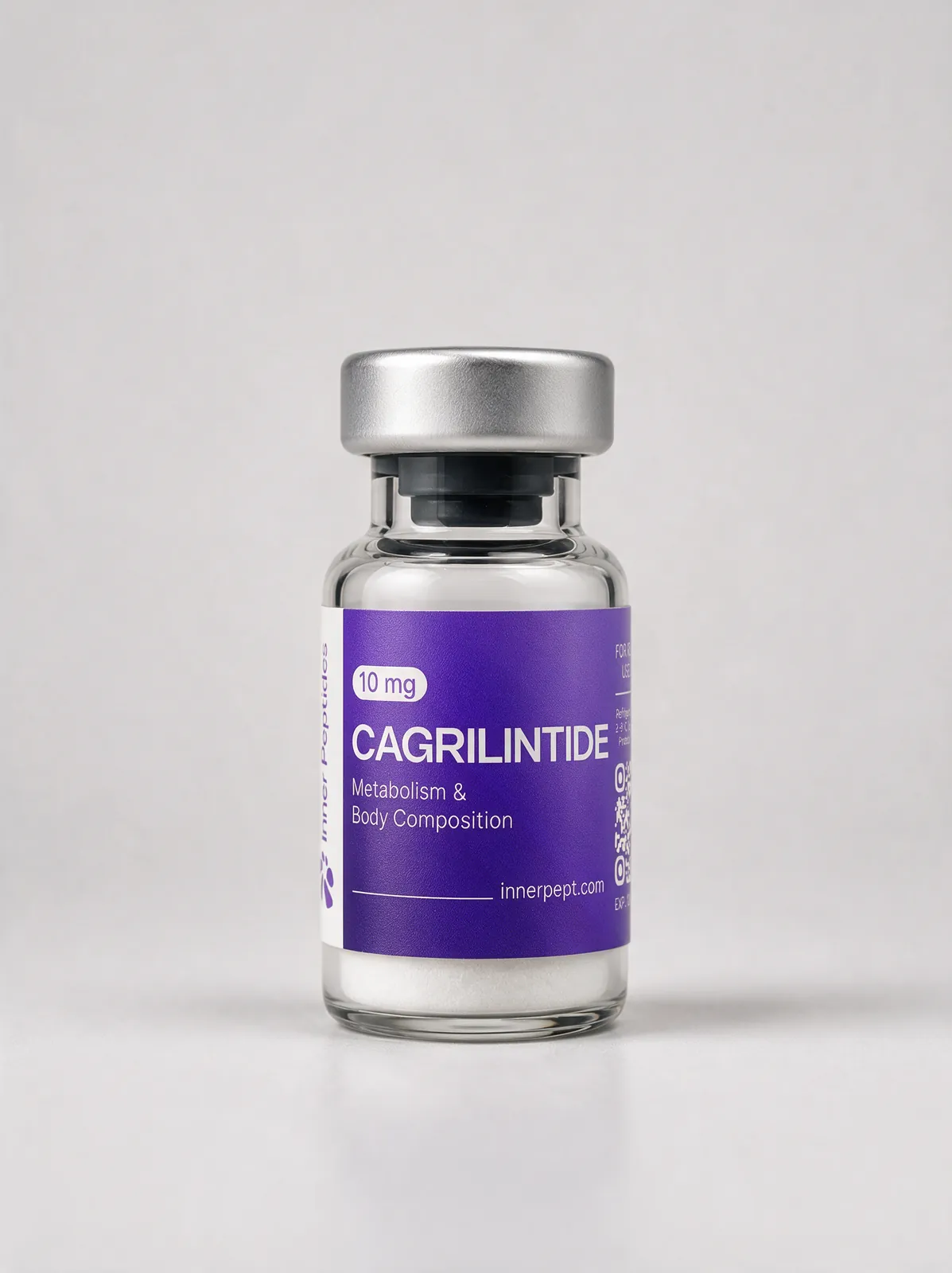
Cagrilintide is a peptide that mimics amylin, a hormone that's released when you eat and tells your brain you've eaten. It's designed to last longer than the amylin your body makes. It's being studied for its link to appetite and to blood sugar after meals.
How it might help you.
Most relevant for women 35 and older who find that appetite and post-meal energy no longer behave the way they once did — fullness arriving late, or not clearly at all — despite consistent habits. It is considered as one part of a broader metabolic picture, established with a licensed practitioner rather than adopted on its own.
The figures above are the amount of lyophilized peptide in the vial — they are not a dose, and which presentation is appropriate is part of the conversation. Your protocol, timing, and duration are set one-to-one with a licensed practitioner based on your history and goals.
The technical details, if you're curious.
Everything below is optional: the science behind this product, for anyone who wants to read it.
What it is, in detail
Cagrilintide is a long-acting amylin analog — a synthetic peptide built to mirror amylin, one of the signals the body already uses to communicate that a meal has been eaten. Its extended duration is a design choice: it holds that signal steady rather than delivering it in short bursts. In clinical research it has been studied both on its own and alongside GLP-1 receptor agonism, on the premise that appetite and post-meal glucose are governed by more than one line of communication.
Satiety was never a matter of willpower — it is a signal, sent after a meal and read by the brain, and like other signals it can grow faint as metabolic and hormonal patterns shift. Cagrilintide is studied for its role in restoring the clarity of that existing message rather than imposing a new one. The instruction is already yours; this is about it arriving intact.
How it works inside the body
Cagrilintide engages the amylin signaling pathway. What makes it coherent rather than blunt is that a single point of engagement produces several related effects, each part of how the body already reads a meal.
- Amylin receptor agonism. As a long-acting amylin analog, Cagrilintide binds where the body's own amylin signal is read, holding that engagement steady rather than delivering it in a short post-meal spike.
- Slowed gastric emptying. Amylin signaling slows the rate at which the stomach empties. Nutrients arrive more gradually, which changes the pace at which the rest of the system has to respond.
- Satiety signaling. The same pathway strengthens satiety — the message that a meal has been sufficient. It is the body's existing fullness signal being read more clearly, not an appetite suppressant layered on top.
- Post-meal glucose. Downstream, post-meal glucose flattens rather than spiking and falling. This is complementary to GLP-1 signaling, which is why the two pathways are studied together as well as separately.
What the research looks at
- Engages the amylin pathway — a satiety and post-meal glucose signal distinct from GLP-1, rather than a second compound acting on the same receptor.
- Is being studied for its role in supporting satiety signaling — how clearly the body registers that a meal has been sufficient.
- May support a steadier post-meal glucose response by slowing the rate at which the stomach empties and nutrients reach circulation.
- Explored both on its own and alongside GLP-1 receptor agonism, on the premise that appetite regulation runs on more than one signal.
- Designed for a practitioner-directed plan that already considers body composition, glucose response, and hormonal change together rather than as separate problems.
Where the research stands
Cagrilintide has been evaluated in a large-scale Phase 3 clinical program, both on its own and in combination with GLP-1 receptor agonism, in adults with and without type 2 diabetes. That places it among the better-studied peptides in this catalog. Long-term safety data continue to accumulate through trials that are still ongoing.
Technical specifications
Storage & handling
Before you start.
We don't publish a protocol here. Route, dose, and schedule depend on your metabolic history, current labs, and anything else already part of your care, and are settled with a licensed practitioner during consultation. The vial presentations listed on this page describe what the vial contains, not what anyone takes.
They describe vial content — the amount of peptide in the vial before reconstitution. They are not doses, and they should not be read as one. How much of a vial is used, and over what period, is determined by your practitioner based on your individual profile, never by the number printed on the label.
No. Amylin and GLP-1 are separate signaling pathways that happen to converge on similar territory — satiety, gastric emptying, post-meal glucose. Cagrilintide is an amylin analog, and it has been studied both on its own and alongside GLP-1 receptor agonism precisely because the two are complementary rather than interchangeable.
We won't attach a timeline to it. Response varies with baseline metabolic function, the rest of the protocol, and how the compound sits alongside nutrition, movement, and sleep. Setting expectations against your own starting point is work for consultation, not for a page like this.
Yes. Cagrilintide acts on metabolic signaling that touches appetite, digestion, and glucose handling at once, which means it needs to be reviewed against your health history, current medications, and anything else already in your protocol. That review happens with a licensed practitioner before anything begins, not after.
Every Inner Peptides formula is independently tested before it ships, with a Certificate of Analysis available whenever you ask for it. Learn more about our testing standard.