
Retatrutide
Tres vías del metabolismo, en una sola molécula.
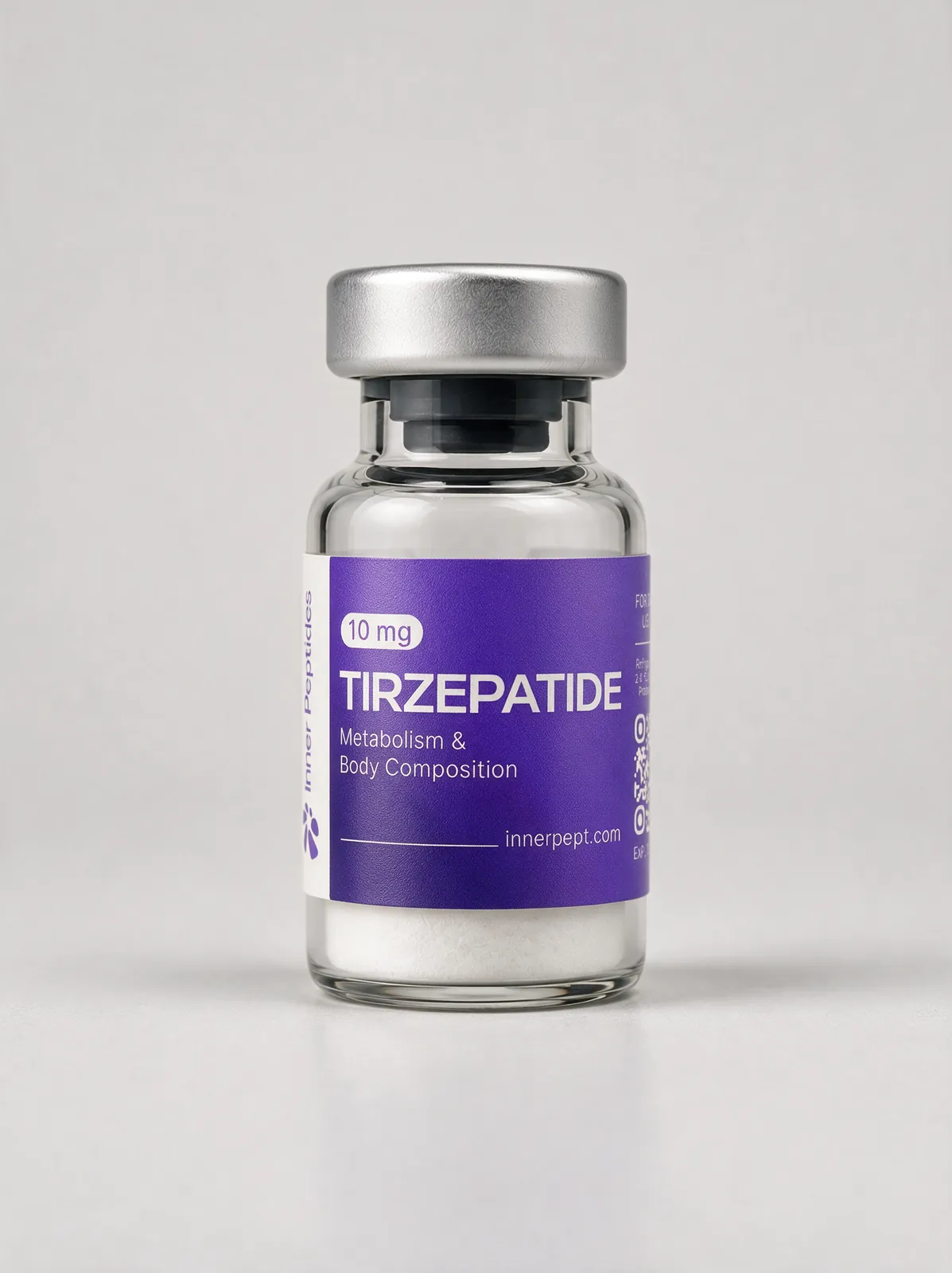
Contenido del vial — presentaciones disponibles, no una dosis.
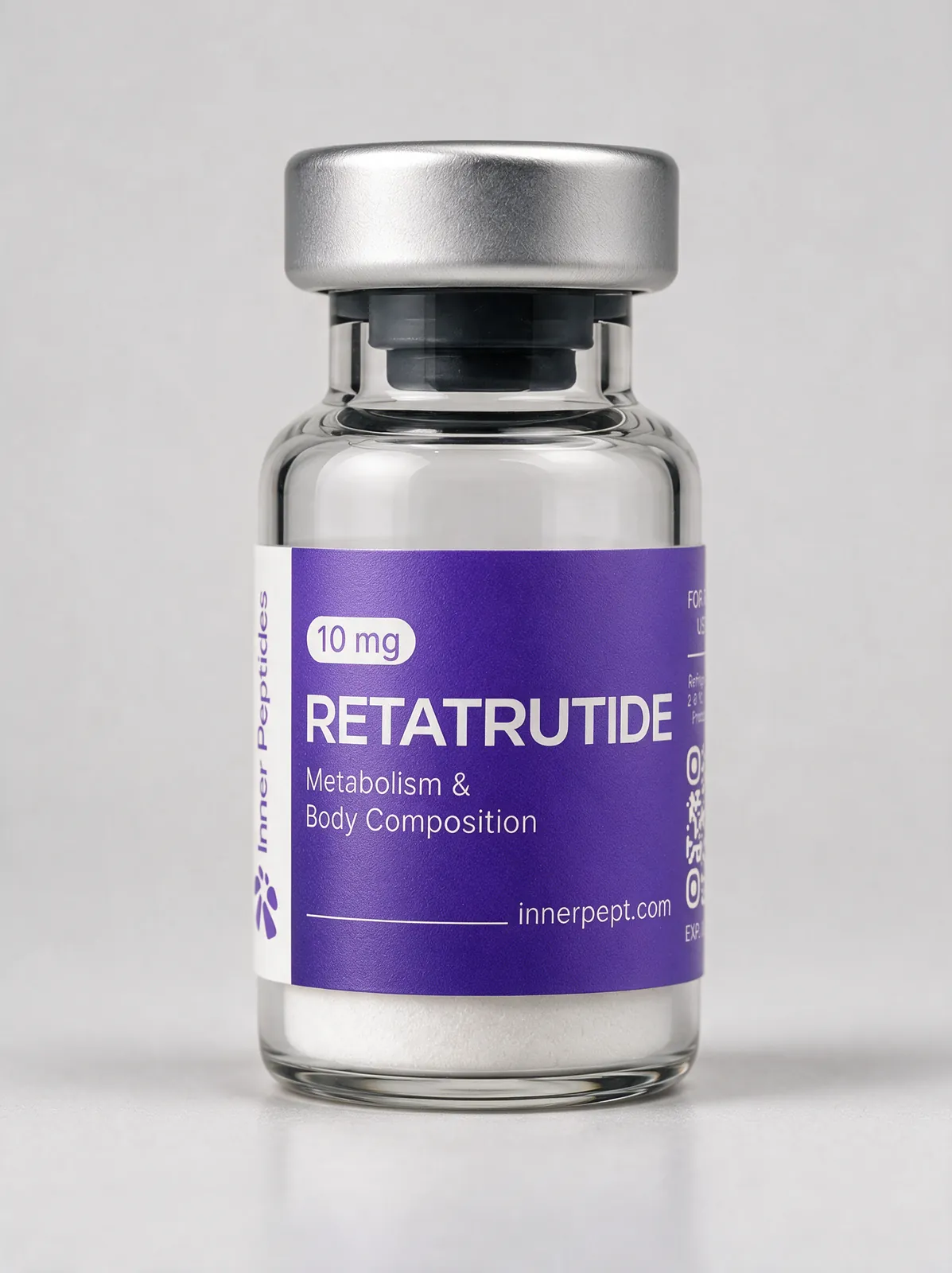
Retatrutide es un péptido, una cadena corta de proteína. Está pensado para trabajar con tres vías que tu cuerpo ya usa para manejar el apetito, el azúcar en la sangre y el gasto de energía. La mayoría de los péptidos parecidos trabajan con una o dos; este lo hace con las tres a la vez.
En qué te podría ayudar.
Retatrutide es más pertinente para mujeres de 35 años en adelante que ya trabajan con un profesional de la salud sobre el panorama metabólico completo — resistencia a la insulina, cambios en la composición corporal, un estancamiento que los hábitos constantes no han logrado mover. Encaja con quienes buscan una opción multivía, evaluada con rigor y dentro de un plan supervisado, en lugar de emprendida por cuenta propia.
Las cifras de arriba son la cantidad de péptido liofilizado que contiene el vial — no son una dosis, y cuál presentación corresponde es parte de la conversación. Tu protocolo, tiempos y duración se definen uno a uno con un profesional de la salud licenciado, a partir de tu historia y tus objetivos.
Los detalles técnicos, por si te interesan.
Todo lo que sigue es opcional: la ciencia detrás de este producto, para quien quiera leerla.
Qué es, en detalle
Retatrutide es un péptido sintético diseñado como una sola molécula que actúa sobre tres receptores metabólicos a la vez — GLP-1, GIP y glucagón. La mayoría de los péptidos metabólicos se dirigen a un receptor, o a dos; este se construyó para hablarles a los tres desde la misma estructura. Se estudia por su papel en la regulación del apetito, el metabolismo de la glucosa, el peso corporal y el gasto energético, y se ha examinado en contextos que van más allá del peso — enfermedad hepática metabólica, apnea obstructiva del sueño, osteoartritis de rodilla, y resultados cardiovasculares y renales.
El apetito, el azúcar en sangre y el gasto energético nunca fueron sistemas separados — el cuerpo los coordina a través de receptores que ya tiene y hormonas que ya produce. Retatrutide no introduce una instrucción nueva en esa red. Actúa sobre tres receptores que ya están ahí, ya escuchando, y se estudia por lo que ocurre cuando se atiende a los tres juntos en lugar de uno a la vez.
Cómo funciona por dentro
Retatrutide es un agonista triple: un péptido, tres receptores diana. Cada uno pertenece a una vía de señalización que el cuerpo ya usa para interpretar la energía que entra y decidir qué hacer con ella.
- Receptor GLP-1. El receptor GLP-1 es uno de los dos receptores de incretinas contemplados en el diseño. Aquí se activa como parte de una molécula de tres receptores y no de forma aislada, y esa es justamente la premisa que la investigación se propuso poner a prueba.
- Receptor GIP. El receptor GIP es el segundo receptor de incretinas. Lo que se estudia no es este receptor por sí solo, sino lo que ocurre cuando lo activa la misma molécula que activa el GLP-1.
- Receptor de glucagón. El receptor de glucagón es el tercer brazo y el menos conocido, y el que distingue a esta molécula de los agonistas duales de incretinas. Su aporte se describe en la investigación a nivel del compuesto completo, no por separado.
- Una molécula, tres señales. Como un solo péptido lleva las tres actividades, los receptores se activan de forma simultánea y no mediante compuestos separados — la premisa de diseño que el programa clínico de Fase 3 a gran escala se propuso poner a prueba.
Lo que estudia la investigación
- Actúa sobre tres receptores metabólicos — GLP-1, GIP y glucagón — desde una sola molécula, en lugar de atender una sola vía de forma aislada.
- Se está estudiando por su papel en la regulación del apetito y el metabolismo de la glucosa en personas adultas con exceso de peso, como parte de un plan dirigido por un profesional de la salud.
- Podría apoyar la señalización de gasto energético propia del cuerpo — una de las áreas por las que se estudia el compuesto — junto con el trabajo de alimentación, movimiento y descanso que indique tu profesional de la salud.
- Se ha evaluado en un programa clínico de Fase 3 a gran escala, lo que lo ubica entre los compuestos más estudiados de este catálogo.
- Se explora en investigación que va más allá del peso — control de la glucosa, enfermedad hepática metabólica, trastornos respiratorios del sueño, y resultados cardiovasculares y renales.
En qué punto está la investigación
Retatrutide se ha estudiado en un programa clínico de Fase 3 a gran escala, lo que coloca su base de evidencia muy por delante de la de la mayoría de los péptidos que aquí se describen. Aun así, no es un compuesto cerrado: los ensayos clínicos son recientes, los datos a largo plazo siguen acumulándose, y las preguntas sobre durabilidad y seguridad a largo plazo siguen abiertas. Lo describimos como un compuesto en estudio clínico activo, no como algo establecido.
Ficha técnica
Conservación y manejo
Antes de empezar.
Eso se decide en consulta, no en esta página. La vía, la dosis y el esquema dependen de tu historia metabólica, de lo que ya estés tomando y de aquello que tu profesional de la salud busque mover. Las presentaciones de 10 mg, 20 mg y 30 mg describen únicamente el contenido del vial — no son dosis, y nunca deben leerse como tales.
No le ponemos un plazo. La respuesta metabólica varía según tu punto de partida, según qué más haya en el plan y según cómo se arme el protocolo en torno a ti. Qué conviene observar, y durante cuánto tiempo, es una pregunta para el profesional de la salud que conoce tu punto de partida.
Sí. Retatrutide actúa sobre tres receptores metabólicos a la vez, y esa amplitud es la razón por la que aquí la supervisión es continua y no solo inicial. Un profesional de la salud licenciado debe revisar tu historia clínica, tus medicamentos actuales y tus marcadores metabólicos antes de que empiece cualquier cosa — y acompañarte mientras el protocolo esté en curso.
Porque el apetito, el manejo de la glucosa y el gasto energético no son problemas separados. Los péptidos de un solo receptor y los de dos atienden una parte de ese sistema; Retatrutide se diseñó para actuar sobre GLP-1, GIP y glucagón en conjunto, y no sobre uno o dos de ellos. Si eso se traduce en una diferencia significativa para una persona en particular es una pregunta para tu profesional de la salud.
Significa ensayos clínicos en seres humanos, no trabajo en animales. Retatrutide ha avanzado por un programa clínico de Fase 3 a gran escala, un nivel de evidencia superior al que tienen la mayoría de los compuestos de este catálogo. No significa que las preguntas estén cerradas — significa que la investigación es humana, está en curso, y se lee con cuidado en lugar de citarse de forma selectiva.
Cada fórmula de Inner Peptides se analiza de forma independiente antes de enviarse, con un Certificado de Análisis disponible si lo pides. Conoce más sobre nuestro estándar de análisis.