
Ipamorelin + CJC-1295 (no DAC)
Dos péptidos en una fórmula, enfocados en tu hormona de crecimiento.
Contenido del vial, no una dosis.
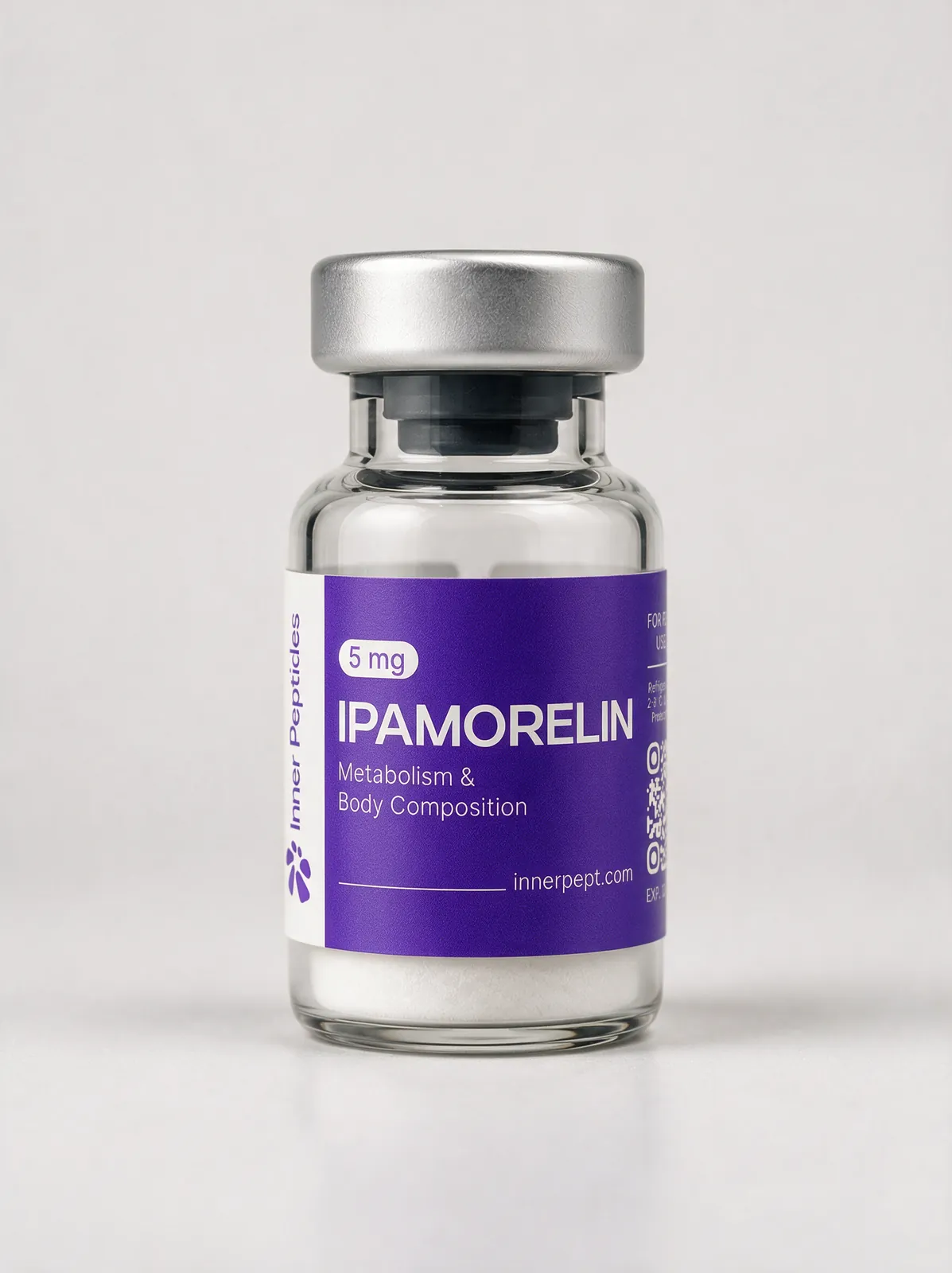
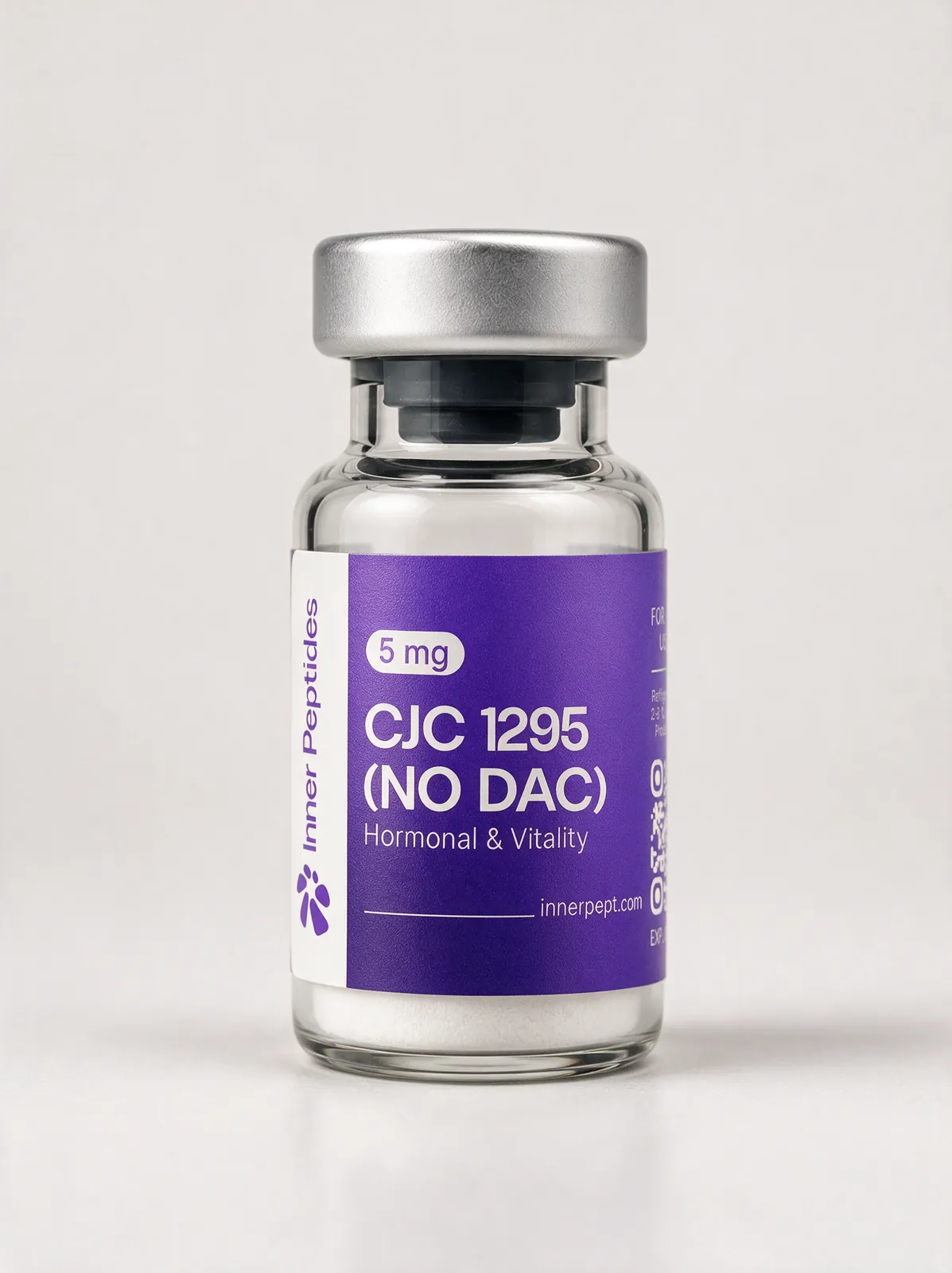
Ipamorelin y CJC-1295 son dos péptidos distintos que van juntos en un mismo frasco. Ninguno trae hormona de crecimiento, esa que tu cuerpo ya produce por sí solo. Los dos se estudian por cómo le hablan a la hipófisis, la pequeña glándula que la fabrica, en la base del cerebro.
En qué te podría ayudar.
Relevante para mujeres de 35 años en adelante cuyas preguntas se han ido acotando al eje de la hormona de crecimiento, y que prefieren apoyar la liberación propia de la hipófisis antes que sustituirla. Le queda bien a una lectora que quiere el mecanismo explicado con claridad y a la que no le incomoda saber lo temprana que es todavía la evidencia en humanos. Siempre se introduce junto a un profesional de la salud licenciado.
Las cifras de arriba son la cantidad de péptido liofilizado que contiene el vial — no son una dosis. Tu protocolo, tiempos y duración se definen uno a uno con un profesional de la salud licenciado, a partir de tu historia y tus objetivos.
Qué hay realmente en el vial.
Es una fórmula combinada: cada cifra es la parte de ese componente dentro del vial.
Los detalles técnicos, por si te interesan.
Todo lo que sigue es opcional: la ciencia detrás de este producto, para quien quiera leerla.
Qué es, en detalle
Ipamorelin + CJC-1295 (no DAC) es un solo vial que contiene dos secretagogos de hormona de crecimiento. CJC-1295 no-DAC — también llamado Mod GRF 1-29 — es un análogo estabilizado de GHRH(1-29), la instrucción que el propio cuerpo le envía a la hipófisis. Ipamorelin es un pentapéptido selectivo que trabaja a través de una diana completamente distinta: el receptor de grelina. Ninguno de los dos aporta hormona de crecimiento. Los dos se estudian por cómo se dirigen a la glándula que ya la fabrica, llegando a ella por dos puertas diferentes.
En este vial no hay hormona de crecimiento. Los dos péptidos se comunican con los somatotropos — las células de la hipófisis que la fabrican — a través de receptores que esas células ya tienen: uno que lee la hormona liberadora del propio cuerpo, otro que lee la grelina. La glándula hace el trabajo que siempre estuvo haciendo. Los péptidos solo vuelven a ponerle la petición delante.
Cómo funciona por dentro
Dos receptores, dos rutas de señalización separadas, que convergen en la misma población de células de la hipófisis. Esta combinación está construida alrededor de esa convergencia, y no alrededor de un empuje más fuerte sobre una sola vía.
- Unión al receptor de GHRH. CJC-1295 no-DAC, un análogo estabilizado de GHRH(1-29), se une al receptor de GHRH en los somatotropos de la hipófisis: el mismo receptor que ocupa la hormona liberadora del propio cuerpo.
- Segundo mensajero cAMP. Esa unión eleva el cAMP dentro del somatotropo, el paso intracelular ligado a la síntesis y la liberación de hormona de crecimiento. La vía es de la hipófisis; el péptido solo la pone en marcha.
- Agonismo de GHS-R1a. Ipamorelin, un pentapéptido selectivo, se dirige a una diana por completo distinta — el receptor de grelina, GHS-R1a — y llega a las mismas células por una segunda ruta independiente.
- Convergencia complementaria. Un estudio de 1999 reportó que estimular a la vez un agonista del receptor de GHRH y un agonista de GHS-R1a producía una respuesta sinérgica de hormona de crecimiento, en comparación con cada vía por separado.
Lo que estudia la investigación
- Actúa sobre dos receptores distintos — el receptor de GHRH y el receptor de grelina GHS-R1a — en lugar de empujar con más fuerza sobre una sola vía aislada.
- Se estudia por cómo invita a la hipófisis a liberar su propia hormona de crecimiento, en vez de aportarla desde fuera del cuerpo.
- En la investigación, Ipamorelin destaca por su selectividad: un secretagogo de hormona de crecimiento definido por lo acotado de su acción y no por su amplitud.
- Podría apoyar un abordaje del eje de la hormona de crecimiento dirigido por un profesional de la salud, considerado junto al sueño, el entrenamiento y el panorama hormonal más amplio, y no por su cuenta.
- Se explora en el plano del mecanismo, donde se estudian juntas dos vías de receptores complementarias en lugar de reemplazar una sola hormona.
En qué punto está la investigación
La evidencia aquí es preclínica y a nivel de mecanismo. No existen ensayos clínicos amplios y controlados en humanos sobre esta combinación, y el argumento para emparejar los dos péptidos se apoya en trabajos a nivel de receptor, entre ellos un estudio de 1999 sobre estimulación dual y un reporte de 1998 sobre la selectividad de Ipamorelin. Lo describimos así porque es lo que es.
Ficha técnica
Conservación y manejo
Antes de empezar.
El vial contiene 5 mg de CJC-1295 no-DAC y 5 mg de Ipamorelin; esa cifra es contenido del vial, no una dosis. Aquí no publicamos un protocolo, porque la vía, la cantidad y los tiempos se definen de forma individual. Todo eso se confirma durante la consulta con un profesional de la salud licenciado que haya revisado tu historia.
Porque llegan a las mismas células de la hipófisis por rutas distintas. CJC-1295 no-DAC se une al receptor de GHRH; Ipamorelin actúa sobre el receptor de grelina, GHS-R1a. Un estudio de 1999 sobre estimulación dual reportó una respuesta sinérgica de hormona de crecimiento, y por eso los dos se estudian emparejados y no por separado.
En selectividad, sí. Un reporte de 1998 describió a Ipamorelin como inusualmente selectivo dentro de su clase: actúa de forma acotada sobre la liberación de hormona de crecimiento, y no sobre un conjunto más amplio de señales de la hipófisis. Esa selectividad es buena parte de la razón por la que es el agonista del receptor de grelina elegido para esta combinación.
Esta es una de esas cosas que no vamos a estimar a la distancia. La evidencia en humanos sobre esta combinación no da para hacerlo, y la respuesta dependería de tu punto de partida, del protocolo más amplio y de factores que quedan muy lejos de un solo vial. Qué vale la pena seguir, y durante cuánto tiempo, es una pregunta para el profesional que conoce tu punto de partida.
Sí. Esta combinación actúa directamente sobre la señalización de la hipófisis, y eso la coloca de lleno en terreno supervisado. Un profesional de la salud licenciado necesita revisar tu historia de salud, sopesar todo lo demás que ya forma parte de tu cuidado y confirmar si tiene un lugar ahí o no.
Cada fórmula de Inner Peptides se analiza de forma independiente antes de enviarse, con un Certificado de Análisis disponible si lo pides. Conoce más sobre nuestro estándar de análisis.